
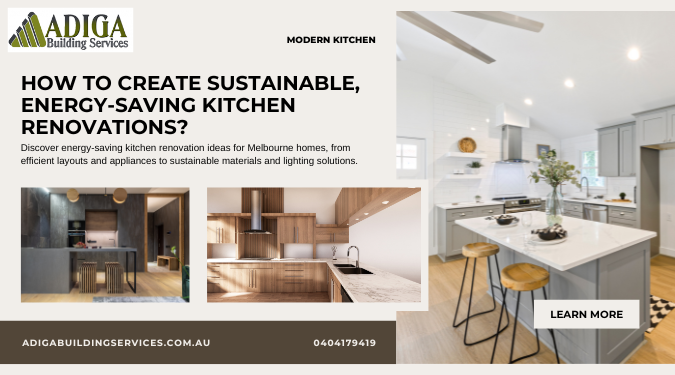
Renovating your kitchen is the perfect opportunity to create a space that’s not only stylish but also environmentally responsible. In Melbourne, where energy efficiency and sustainability are becoming increasingly important, a well-planned kitchen renovation can significantly reduce your household energy use while enhancing comfort and functionality.
Here’s how to design a sustainable, energy-saving kitchen that works for modern Melbourne living.
Start with an Energy-Efficient Layout
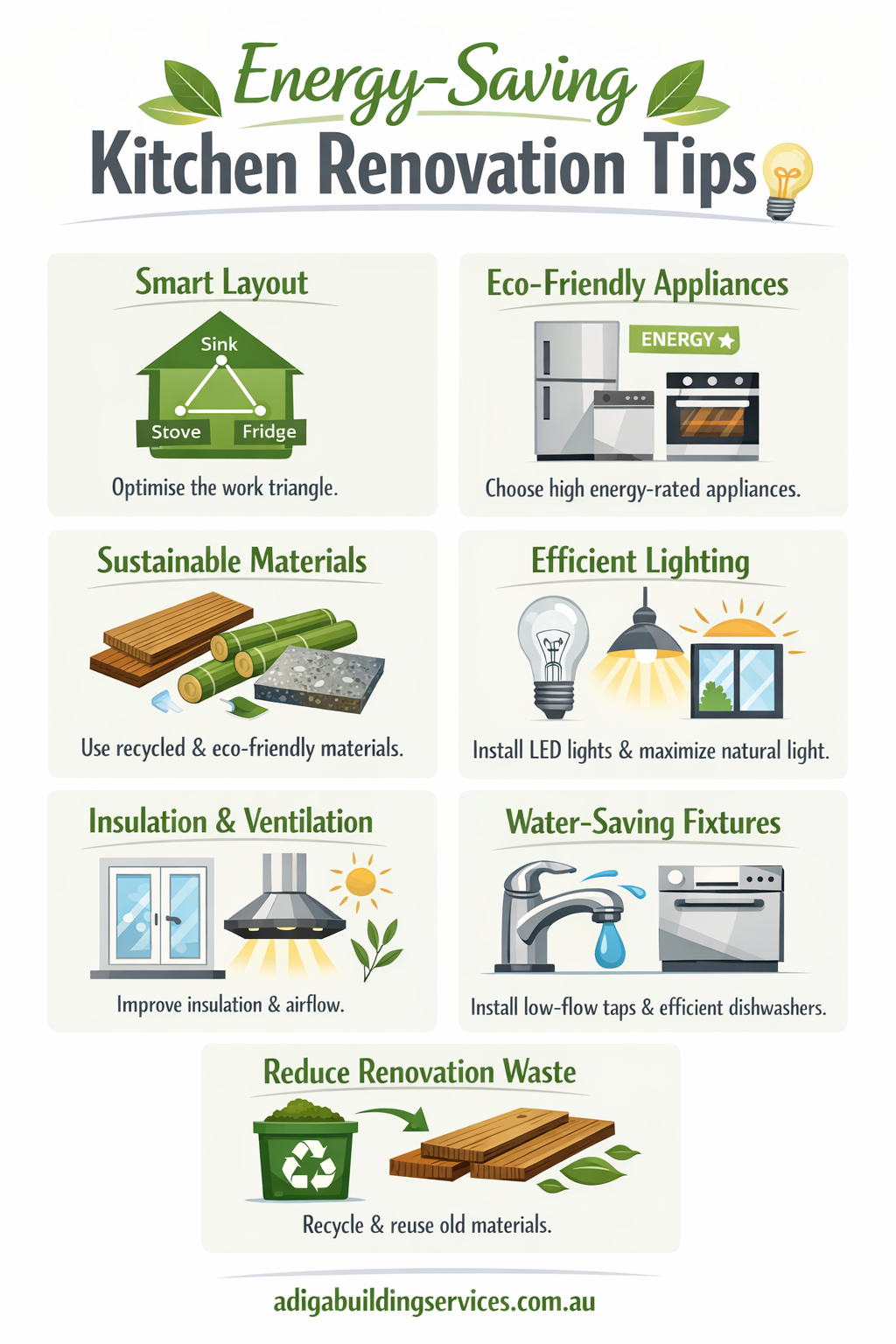
A smart layout is the foundation of any efficient kitchen. The classic “work triangle” between the sink, stove, and fridge should be optimised to reduce unnecessary movement and energy waste.
For example, placing your fridge away from heat sources like ovens and direct sunlight helps it run more efficiently. Similarly, grouping appliances thoughtfully can minimise energy loss and improve overall workflow.
In Melbourne homes, where open-plan kitchens are popular, zoning your space properly can also reduce the need for excessive lighting and cooling.
Choose Energy-Efficient Appliances
Upgrading to energy-efficient appliances is one of the most impactful changes you can make as part of modern kitchen renovations Melbourne. Look for appliances with high energy star ratings, as they consume less electricity without compromising performance.
Key upgrades to consider include:
- Induction cooktops, which heat faster and use less energy
- Energy-efficient ovens with better insulation
- Dishwashers with eco modes to reduce water and power use
- Refrigerators designed for optimal cooling efficiency
Although the upfront cost may be higher, these appliances can lead to significant savings on energy bills over time.
Opt for Sustainable Materials
Sustainable kitchen design goes beyond energy use—it also includes the materials you choose. Cabinets, benchtops, and flooring can all be sourced from eco-friendly options.
Consider materials such as:
- Recycled or reclaimed timber
- Bamboo cabinetry, known for its fast regrowth
- Low-VOC paints and finishes to improve indoor air quality
- Recycled stone or composite benchtops
In Melbourne, where sustainability is a growing priority, using responsibly sourced materials can also add long-term value to your home.
Improve Lighting Efficiency
Lighting plays a major role in both energy use and ambience. Replacing traditional bulbs with LED lighting is a simple yet highly effective upgrade.
LED lights consume significantly less electricity and last much longer. You can further enhance efficiency by incorporating:
- Task lighting under cabinets
- Motion sensors for pantry or storage areas
- Dimmer switches to control energy usage
Maximising natural light is also key. Skylights or larger windows can reduce the need for artificial lighting during the day.
Focus on Insulation and Ventilation
Proper insulation ensures your kitchen maintains a comfortable temperature without over-reliance on heating or cooling systems. This is particularly important in Melbourne’s variable climate.
At the same time, good ventilation helps remove heat, moisture, and cooking odours efficiently. Installing a high-quality rangehood can prevent excess heat from building up, reducing the load on your air conditioning.
Double-glazed windows can also improve thermal performance, keeping your kitchen cooler in summer and warmer in winter.
Water Efficiency Matters Too
Sustainability isn’t just about energy—water usage is equally important. Today kitchen renovations Melbourne often include water-saving fixtures that reduce consumption without affecting performance.
Consider installing:
- Low-flow taps
- Water-efficient dishwashers
- Aerators to maintain strong water pressure with less usage
These upgrades are especially valuable in Melbourne, where water conservation remains a priority.
Reduce Waste During Renovation
A truly sustainable renovation also considers the construction process itself. Wherever possible, reuse existing materials or recycle old cabinetry and fixtures instead of sending them to landfill.
Working with builders who prioritise waste reduction and responsible disposal can make a big difference. Even small choices, like repurposing timber or donating usable items, contribute to a more eco-friendly renovation.
Why Sustainable Kitchens Are Worth It
An energy-efficient kitchen doesn’t just benefit the environment—it also improves your daily life. Lower utility bills, better air quality, and increased comfort are all tangible advantages.
For Melbourne homeowners, sustainable renovations also align with broader environmental goals and can enhance property appeal in a competitive market.
Final Words
Creating a sustainable, energy-saving kitchen is about making thoughtful choices at every stage—from layout and appliances to materials and lighting. With the right approach to Melbourne kitchen renovations, you can design a kitchen that’s both beautiful and environmentally responsible.
In Melbourne, where sustainability is more than just a trend, investing in an eco-friendly kitchen renovation is a smart move for the future.
Book a Consultation
Schedule a consultation with ADIGA Building Services if you need quality kitchen renovations services. Dial 0404179419 to talk to us or get a quote.
2. Are there specific Australian standards or ratings to consider when choosing energy-efficient appliances?
Yes, look for appliances with high Energy Rating Labels regulated in Australia. These provide a clear comparison of energy consumption and efficiency across products.
3. How does Melbourne’s climate influence sustainable kitchen design choices?
Melbourne’s variable climate requires adaptable solutions such as proper insulation, ventilation, and window glazing to maintain indoor comfort year-round.
4. Can I make my existing kitchen more sustainable without a full renovation?
Absolutely. Small changes like switching to LED lighting, upgrading appliances, installing aerators, and improving sealing can significantly enhance efficiency.6
5. What are the benefits of induction cooking compared to gas in terms of sustainability?
Induction cooktops are more energy-efficient, produce less indoor pollution, and heat faster, making them a cleaner and safer option for modern kitchens.
6. How do low-VOC materials contribute to a healthier kitchen environment?
Low-VOC paints and finishes reduce harmful emissions, improving indoor air quality and creating a safer space for cooking and living.
7. Is it worth integrating smart technology into a sustainable kitchen renovation?
Yes, smart appliances and lighting systems can optimise energy use by automating functions and reducing unnecessary consumption.
8. How can cabinetry design improve energy efficiency indirectly?
Well-designed cabinetry enhances airflow, reduces clutter around appliances, and allows better organisation, which can improve appliance performance and usability.
9. What role does passive design play in kitchen renovations?
Passive design uses natural light, ventilation, and orientation to reduce reliance on artificial heating, cooling, and lighting, lowering energy consumption.
10. How can I ensure my renovation builder follows sustainable practices?
Choose builders with proven experience in eco-friendly projects, ask about waste management strategies, and ensure they source sustainable materials responsibly.