
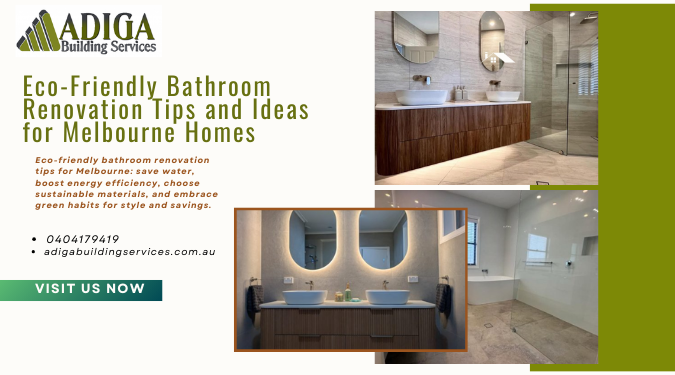
In cities like Melbourne, where sustainability is a priority for many homeowners, renovating your bathroom offers a fantastic opportunity to reduce environmental impact while creating a stylish, modern space. An eco-friendly bathroom not only lowers your water and energy bills but also contributes to a greener lifestyle without compromising comfort or aesthetics. From smart fixtures and energy-efficient upgrades to sustainable materials and mindful habits, here are practical and inspiring tips to guide your next bathroom renovation.
1. Prioritise Water Conservation
Water conservation sits at the heart of any eco-friendly, modern bathroom renovation Melbourne. Since bathrooms account for a large portion of household water use, upgrading to efficient fixtures can drastically reduce consumption and utility costs.
- Low-Flow Faucets and Showerheads: These innovative water fixtures mix air with water to maintain strong pressure while reducing flow, helping save up to 60% of water usage without sacrificing performance. Look for models that use aeration or air-injection technologies for the best results.
- Dual-Flush Toilets: Switching to dual-flush systems allows users to select a half or full flush depending on the need. This simple change slashes water waste significantly compared with traditional single-flush toilets.
- Fix Leaks Promptly: Even small drips can waste hundreds of litres of water each month. Regularly check taps and shower connections to avoid unnecessary waste.
Investing in these water-saving upgrades offers both environmental and financial returns, making them essential in eco-conscious renovation planning.
2. Enhance Energy Efficiency
Reducing energy consumption not only benefits the planet but also lowers ongoing costs. Bathrooms typically need lighting, heating, and ventilation — and there are ways to make all three more efficient.
- LED Lighting: Replace traditional bulbs with LED alternatives. LEDs use significantly less power and have a much longer lifespan than incandescent or halogen lights, reducing waste and energy use.
- Maximise Natural Light: Where possible, incorporate skylights or larger windows to take advantage of daylight. Not only does this reduce reliance on artificial lighting, it also creates a brighter, more open space.
- Energy-Efficient Ventilation: Proper ventilation helps control humidity and prevent mould, but fans can consume energy. Choosing energy-efficient models ensures healthier air quality without high electricity use.
Careful layout planning — such as positioning mirrors to reflect sunlight or installing dimmers — can further enhance energy performance.
3. Choose Sustainable Materials
The materials you select have a huge impact on the environmental footprint of your renovation. Melbourne homeowners can embrace options that are responsibly sourced, recycled, or have low emissions.
- Recycled or Reclaimed Elements: Reclaimed timber for cabinets, countertops made from recycled glass, or salvage tiles give new life to materials that might otherwise end up in landfill.
- Sustainably Sourced Finishes: Look for certifications like FSC (Forest Stewardship Council) to ensure timber materials are responsibly harvested, and choose tiles or counters made with post-industrial waste.
- Low-VOC Paints and Adhesives: Paints, sealants, and adhesives can release harmful volatile organic compounds (VOCs). Choosing low-VOC options improves indoor air quality and reduces harmful emissions.
Durable and eco-certified materials not only look great but stand the test of time, reducing the need for frequent replacements.
4. Embrace Green Habits and Accessories
An eco-friendly budget bathroom renovation Melbourne is as much about daily habits as they are about design choices. Integrating sustainable accessories and practices can enhance your overall impact.
- Organic Linens: Opt for towels, bathmats, and shower curtains made from organic cotton, bamboo, or other sustainably sourced fibres. These choices reduce chemical exposure and support ethical production.
- Biodegradable Cleaning Products: Traditional bathroom cleaners often contain harsh chemicals that harm water systems. Switching to biodegradable alternatives helps keep waterways clean and ecosystems healthy.
- Mindful Water Use: Simple habits — like turning off the tap while brushing teeth or taking shorter showers — can save significant water daily. Promptly repair leaks to prevent waste.
These small changes by bathroom remodelers Melbourne help reinforce your commitment to sustainability long after the renovation is complete.
Conclusion
Designing an eco-friendly bathroom in your Melbourne home is about blending smart design with sustainability. By conserving water, enhancing energy efficiency, choosing responsible materials, and embracing greener habits, you can craft a bathroom that supports both your lifestyle and the environment. Whether you’re planning a major renovation or small upgrade, these ideas help transform your space into an efficient, stylish, and planet-friendly sanctuary.
Call for a Consultation
To consult with ADIGA Building Services regarding our renovations services, call 0404179419 now. You can also get in touch with us for a quote.
2. What are the best water-saving fixtures for bathrooms?
Low-flow showerheads, water-efficient taps, and dual-flush toilets are the most effective fixtures. Look for products with high WELS ratings to ensure maximum water savings.
3. How much water can a dual-flush toilet save?
A dual-flush toilet can save thousands of litres of water annually by offering half-flush and full-flush options, reducing unnecessary water usage compared to traditional single-flush models.
4. Are LED lights really better for bathrooms?
Yes. LED lighting consumes up to 80% less energy than traditional bulbs and lasts much longer, making it both cost-effective and environmentally friendly.
5. What sustainable materials can I use in my bathroom?
Recycled glass countertops, reclaimed timber vanities, bamboo cabinetry, and low-VOC paints are excellent eco-friendly options that reduce environmental impact.
6. What does low-VOC mean and why is it important?
Low-VOC refers to products with minimal volatile organic compounds. These materials improve indoor air quality and reduce harmful emissions inside your home.
7. Can an eco-friendly bathroom renovation increase my home’s value?
Yes. Energy-efficient and sustainable upgrades are attractive to buyers and can enhance resale value, especially in environmentally conscious markets like Melbourne.
8. How can I reduce energy use in my bathroom beyond lighting?
Install energy-efficient exhaust fans, improve insulation, use timers or motion sensors, and consider energy-saving hot water systems to reduce electricity consumption.
9. Are sustainable bathroom renovations more expensive?
While some eco-friendly products may have higher upfront costs, they typically save money long-term through reduced water and energy bills.
10. What small changes can make my bathroom more eco-friendly without a full renovation?
Switch to biodegradable cleaning products, fix leaks promptly, reduce shower time, install tap aerators, and use organic cotton towels and accessories.